
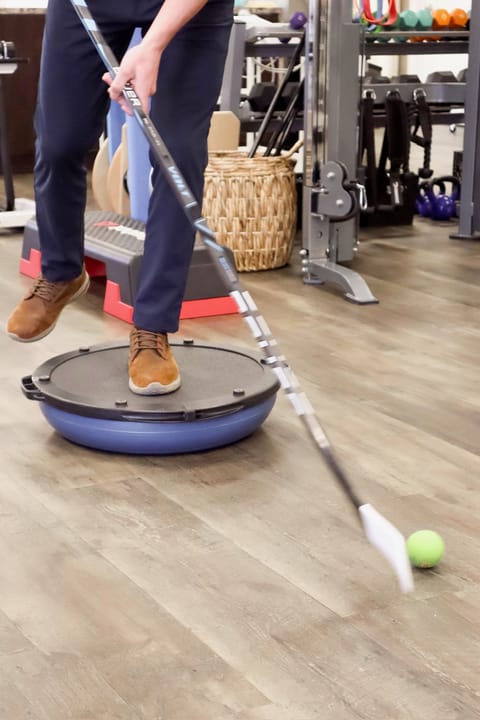
If you are active in Grande Prairie, injuries happen. Sometimes it is obvious, like an ankle roll during a game. Other times it starts quietly, like shoulder pain that shows up after workouts and refuses to leave.
At Flex Physio & Wellness, we see both. Our goal is straightforward: help you calm the pain, rebuild confidence in movement, and get back to the activities you care about, without rushing the process.
In this guide, we will cover:
- What to do in the first 24 to 72 hours after a sports injury
- The most common injuries we treat at our sports injuries physiotherapy page
- What your first appointment looks like
- How return-to-sport rehab actually works
- Frequently asked questions from local athletes, parents, and weekend warriors
Quick answer: when should you book a sports injury physio appointment?
Book right away if pain is limiting your normal movement, if swelling is significant, or if symptoms are not improving within a few days. Early assessment usually leads to a clearer plan and a smoother recovery.
If you are unsure, contact our clinic. We can help you decide what next step makes sense.
Common sports injuries we treat in Grande Prairie
We work with youth athletes, adult recreational players, runners, gym-goers, and workers who stay active outside the job site. The patterns are often similar:
- Ankle sprains and recurring ankle instability
- Knee pain (ligament strain, meniscus irritation, patellofemoral pain)
- Hamstring, quad, calf, and hip flexor strains
- Shoulder pain from overhead movement (throwing, lifting, serving)
- Neck and back pain after contact or rapid movement
- Tendon overload issues (Achilles, patellar, rotator cuff, elbow)
Some people need short-term care. Others need a full progressive rehab plan. Either way, the earlier we assess movement quality, strength, and load tolerance, the easier it is to build a practical plan.
What to do in the first 24 to 72 hours after an injury
The first few days matter, but this is where many people either over-rest or push too hard too quickly.
Here is a better middle ground:
1) Protect the area, but do not shut everything down
If walking, lifting, or certain movements sharply increase pain, modify them. Total bed rest usually slows recovery.
2) Use pain as a guide, not a punishment
A mild increase in discomfort during movement can be normal. Sharp pain, giving-way, or rapid swelling are warning signs to back off.
3) Keep nearby joints moving
Even when one area is irritated, gentle movement around it helps maintain circulation and reduces stiffness.
4) Get assessed early
A proper assessment helps answer the key questions quickly:
- What is actually injured?
- What is safe to do now?
- What should be avoided this week?
- What is the likely recovery timeline?
What happens at your first sports injury physiotherapy appointment
Your first visit is not just treatment. It is a decision-making session.
At our clinic, your assessment usually includes:
- Injury history (what happened, when, what makes it better/worse)
- Movement testing and functional assessment
- Strength, mobility, and control checks
- A clear explanation of the likely diagnosis and next steps
You leave with an initial plan, not just general advice. That plan may include hands-on care, exercise progressions, and activity modifications based on your sport and schedule.
How treatment usually looks
No two injuries are exactly the same, but most rehab plans combine a few key pieces:
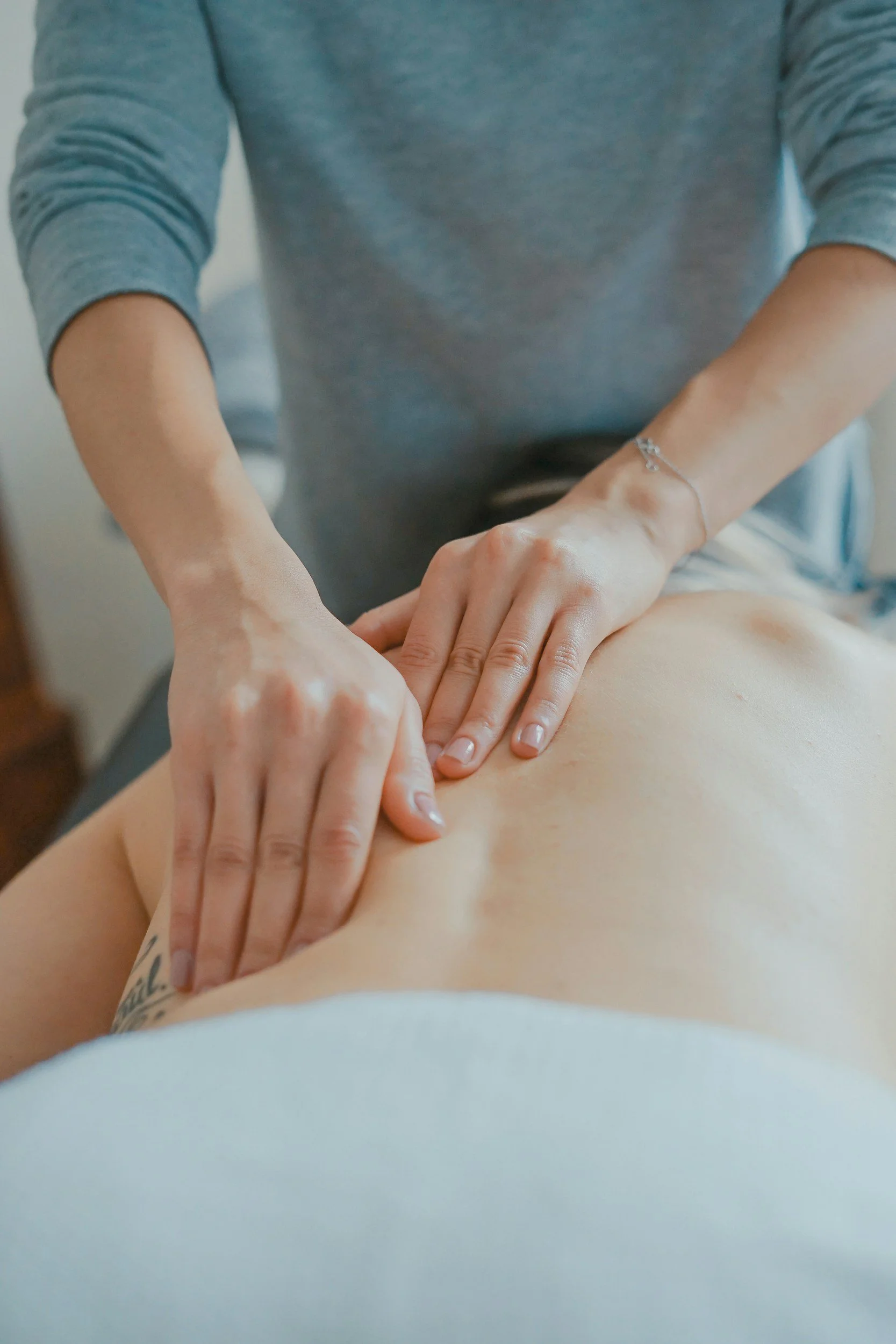
Pain and irritation management
Early care is focused on reducing irritability so you can move better. This may include manual treatment, guided mobility work, and load modification.
You may also benefit from supportive techniques such as manual therapy or, when appropriate, IMS dry needling.
Movement quality and strength rebuilding
Once pain settles, we focus on what keeps recurring injuries recurring: weakness, asymmetry, poor control, or poor load progression.
This phase often includes:
- Targeted strengthening
- Balance and control drills
- Sport-specific movement retraining
- Gradual reloading based on tolerance
Return-to-sport progression
Returning to activity should be planned, not guessed. We progress from controlled drills to more unpredictable, game-like demands when your body is ready.
Return-to-sport: the part most people rush
Feeling better is not the same as being ready.
A lot of re-injuries happen in the "almost fine" stage, when pain has dropped but capacity has not fully returned. Good return-to-sport planning checks:
- Symmetry between sides
- Force tolerance under speed and fatigue
- Confidence with cutting, jumping, pivoting, or overhead tasks
- Recovery between sessions
If your sport involves impact, quick direction changes, or contact, we usually stage your return rather than jumping straight to full intensity.
What if your injury has been around for months?
That is common. Not every sports issue is a brand-new event. Many are unresolved overload patterns.
If pain has lingered, your rehab may overlap with chronic pain management support, especially when sleep, stress, deconditioning, or fear of movement are now part of the picture.
This does not mean you cannot improve. It means the treatment plan should address both tissue recovery and the bigger movement/lifestyle context.
Sports physiotherapy for youth athletes and active adults
Youth athletes are still developing strength, coordination, and training habits. Adults are often balancing pain with work and family schedules. Both groups benefit from a plan that is realistic for real life.
We focus on:
- Clear communication with patients and families
- Practical home programming
- Progressions that match current capacity
- Injury prevention strategies you can actually stick to
Frequently asked questions
Do I need a doctor referral to see a physiotherapist in Grande Prairie?
Usually no. Most people can book directly. Some insurance plans may have specific requirements, so it is worth checking your coverage.
Should I rest completely after a sports injury?
Usually not. Relative rest and guided movement are typically better than complete rest. The right amount depends on your injury and symptoms.
How long does sports injury rehab take?
It depends on the injury type, severity, and how long symptoms have been present. Some recover in a few weeks, while others need a longer progression.
Can physiotherapy help prevent re-injury?
Yes. A strong rehab program does more than reduce pain. It improves capacity, mechanics, and confidence so your body handles training better.
Do you treat non-athletes with sports-style injuries?
Absolutely. Many injuries come from recreation, weekend activity, or repetitive movement, not formal sport. The same rehab principles still apply.
Final thoughts
If something feels off, you do not need to wait until it gets worse. Early, structured care usually saves time and frustration.
If you want a plan built around your goals, book with our sports injury physiotherapy team, reach out through contact, or book online through Jane App.